The Flip Side (or The Show Running the Actor)

You Spot It, You Got It

On Thursday, I wrote about actor running the whole show. I’m writing about it again because I’m still living in it. I know some of you can relate. Just because I have identified the character defect doesn’t mean the defect and the accompanying anger magically go away. No, no sometimes it takes a little more work. Sometimes, I have to process it a little bit longer.

So, here is where we are at… I occasionally have the mentality that I know what’s best for all those around me. It’s for the best! I am looking out for them. I am being gracious with my help. I am being generous with my time and energy to help you; the least you could do is accept it. I don’t even really need a thank you. I just need you to do it because I am tired of hearing this same complaint or maybe I am just tired of having to witness the general disaster you have made out of your life.

But there is another side to this coin.

There is something really awkward about engaging in a character defect while someone is engaging in theirs. For instance, I get really angry when people talk on their phone while driving. The freeways in Houston are bad enough without the additional distraction of phones. And yet, there are some days when I have to make a call, and while I am driving is the most convenient time to do it. I get self-conscious about holding the phone up to my ear because I know the person driving behind me can see it. I know they are cursing me. And yet…

It’s the alcoholic double standard. I don’t want anyone messing with my life for any reason what-so-ever. I do not want any judgment or criticism. In fact, I would really like it if you just stood over there, off to the side a little ways. I’ll call you over when I’m ready to see you.

And yet, I am more than happy to stick my pudgy little fingers into whatever pie you happen to have going on. I remember a friend having a slight disciplinary problem with her daughter. In the scheme of life, it was nothing. A little backtalk, normal for any kid, but the kind of thing a parent worries about lest it snowballs. Anywho, she and her husband had a plan. Upon hearing said plan, I thought, “That’s never going to work.” Now, I don’t have kids. I do not know the first thing about the stresses of being a parent. I can’t even properly train my dogs. And yet…

The book tells me that when I try to control and manipulate, other people rebel. I know that to be true because when other people try to control and manipulate me, even when they are doing it to help me fix the general disaster I have made of my life, I rebel. It’s a deal breaker. And that’s my lesson. It’s a cycle. It’s a reverse. It is so simple, they even teach it to little kids. “Do unto others as you would have them do unto you.” I shouldn’t manipulate because I do not like being manipulated. I shouldn’t control because I do not like being controlled. And I certainly shouldn’t assume I know how other people are feeling because I am quite certain no one knows what’s going on inside me.

Letting people be is a difficult thing, especially when I only have good intentions. But the road others have to walk down, the lessons they have to learn, are not for me to decide for them. What I need to do is turn the mirror back around on myself and think about the lessons that I need to learn. There are enough things wrong with my life and with my relationships, to keep me busy for eternity.

What’s the Scariest Thing You Could Do?

Danger, Alcoholics, DangerSaturday was my sobriety birthday. I turned eight. Sobriety birthdays are an interesting time. As anyone who has celebrated one knows, it’s a time of reflection. This doesn’t happen with belly button birthdays; no one ever says, “I wonder where I was thirty-eight years ago at this time?” But sobriety birthdays are so precisely counted from one specific date that one cannot help but define one’s life by it. Very rarely in one’s life can a person say, “On this date, my life changed.”

But then there is another side, I alluded to it a couple of weeks ago in one of my drawings. A man is sitting in a chair. Underneath, it says, “Five minutes after the miracle,” and the man is thinking, “Now what?” I think that is what a lot of sobriety really is: the “now what” part. For our first couple of years maybe, we are adjusting to our new lifestyles. I do not care what they experts say, it takes more than 28 days to rewire a habit that one has had for decades. It takes time and patience. We go to meetings. We get sober jobs. We become accountable and responsible. And slowly we get better.

Then what do we do? I think I have really floundered in this realm. I think that if down in the pit of our stomachs each man and woman has some sort of conception of God, I think deep down in each one of us there is also a dream unrealized.

I’ve told this story before, but last year on a retreat, I realized I was not living my life with principles in all my affairs if I was not practicing courage with my future. I had always wanted to write, but never really felt I had any support in following this endeavor. I think most people chalk it up to a good hobby or a noble pastime, but not something one attacks as one might attack business school or another more reputable occupation. Last April 8, I came home from the retreat and before I could change my mind, I started this blog. It was the scariest thing I could have ever imagined.

I will tell you, if you think of the scariest thing you could do and then do it, it changes you.

If you had asked me eleven months ago, what I expected from this experiment, I’m not sure I could have articulated it any more than, “Fear.” I wanted to get over the fear. Fear of failure. Fear of judgment. I think a lot of us have dreams, but then alcoholism and drug addiction get in the way of them. And then recovery gets in the way of them. And living amends. And jobs. And then families. And then justification and realization and the “I’ll do it over summer” or when the kids graduate or when I retire. Last year, I just didn’t want to do that anymore. I didn’t want to get any older still holding on to the regret of dreams unrealized.

Eight years ago, the very scariest thing I could have done was walk into an AA meeting and ask for help. It took an unbelievable amount of courage.

It is time to move on. There’s new fears to conquer. And that is what I am sitting here thinking about: what is the scariest thing I can do this year. And then how am I going to do it? That is my birthday present to me, cause I didn’t get sober to sit in the back of the room.

I don’t know what your scariest thing is, but I hope when you’re driving home tonight or cooking dinner, you think about it. And then I hope sometime before your next birthday, you do it. It’ll change you.

Driving the Road of Happy Destiny

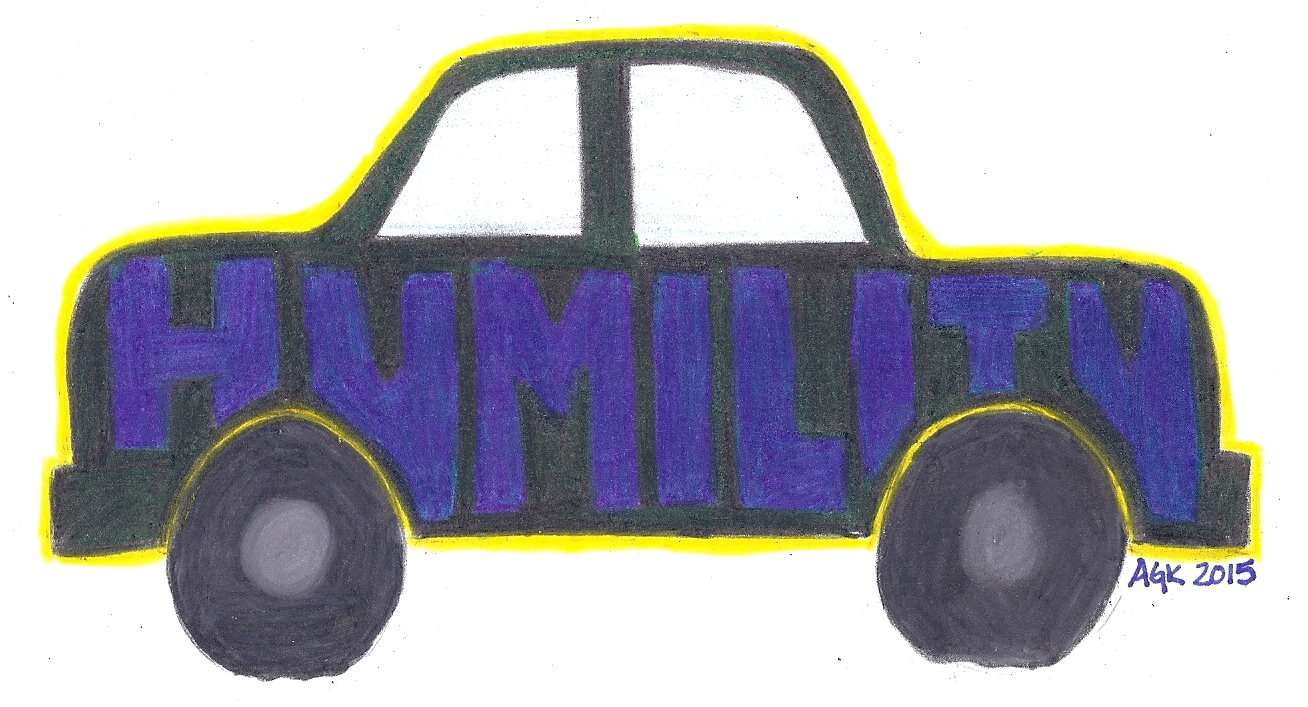
Humility CarI have a love/hate relationship with my car. Before I got sober, I needed a car. I was looking at used cars, but couldn’t settle on one. For the price I wanted to pay, all the Hondas and Toyotas had high millage and no warranty. One day, I was talking to my brother. He said, “If I were you, I would go down to the Hyundai dealership and buy their cheapest new car.” I went down there that day, and did exactly that. I came away with a little black Hyundai Elantra complete with tape deck and cloth seats. (Yes, I have a tape deck in my car.)

My first couple of years owning the car was a bit rough. I’d never learned how to take care of anything, so oil changes, stickers, tires, all fell by the wayside. And yet the car kept going. I dented it a couple of times (once sober, once not so much). I broke the cover off of the vanity mirror. I lost my floor mats. My seatbelt jammed. I blew the speakers. And still it goes. Now the paint is flaking off, I have the beginnings of a hole in my floorboard, and my headlights seem to go out with surprising regularity. And still it goes.

And that’s the problem. Eleven years later, it still goes. No matter where I am or what parking lot I am in, I look around. My car is inevitably the worst looking car in the lot. I know because I look a lot. I size my car up against all the pretty, undented cars with paint so glossy it reflects the world back upon itself. It has become an obsession of mine. I look for the worse off cars too, and when I occasionally spot one, I fight off the urge to write a pithy, little note saying, “It’ll be okay, Life’ll get better.”

But then, I love my car. It is an awesome, little machine. When I could not afford for that car to break down, it didn’t. I remember taking a friend to Ben Taub psychiatric unit and driving that car home in the foggy, early morning calm of the desolate Sam Houston Tollroad, never being so grateful to be sober. I remember the first time my love came over in torn jeans to fix the thermostat. Some mornings, when I turn over the engine and it starts right away, I pat my car on the dashboard and say encouraging words.

And the truth is the only reason not to love  is because I feel like it is some sort of reflection of my place in society, or even worse, of my place in recovery. I feel like more established people or saner people have nicer, shinier things. So, its not that I am uncomfortable with my car, I am uncomfortable about what you think my car says about me. And that’s crazy! Its like not only do I think you think about me at all, but that you think about my car and what you think my car says about me. To get a new car would, on some level, acknowledge and validate that part of myself that places value not only in the material world, but on what I fear others might think of me. And that’s really awkward.

Over time, my car has become less a method of transportation and more an extension of my journey into my disease and back out again. And now I find myself, like The Giving Tree, learning a new lesson. Now I am learning the lesson of humility and gratitude. A lesson about outer beauty versus inner awesomeness. A lesson about dedication and perseverance and loyalty.

So, yes, I love my car… even if the window doesn’t always want to roll down.

You Better Double Up

5 Minutes After the MiracleA friend of mine had a sponsor when he first got sober. When my friend got thirty days, his sponsor said, “Thirty days? That’s really great. But we lose a lot of people between thirty and sixty days. You better double up on your meetings. You gotta take this thing more seriously.” And so my friend did.

When my friend picked up his sixty day chip the sponsor once again said, “Sixty days? That’s great. But we lose a lot of guys between sixty and ninety. You better double up your meetings. Take this thing a lot more seriously.” And so my friend did.

When my friend picked up his ninety day chip the sponsor once again said, “Ninety days? That’s great. But we lose a lot of guys between three months and six months. You better double up your meetings. Take this thing a lot more seriously.” And so my friend did.

It turned out that regardless of the time my friend would acquire, the sponsor always responded in the same manner. “A year? That’s great. But we lose a lot between one year and two years. You better double up your meetings. You gotta take this thing more seriously…”

A couple of years ago, my friend passed away, but up until that point, every birthday meeting, no matter who was celebrating or how many years they had, my friend would speak the warning his sponsor spoke to him.

I like that no matter how seriously I take this thing, I could take it more seriously. I could understand my disease and me more. I could know the book more. I could help more, sponsor more. I can work the steps more. And with that, I can grow more. And be spiritual more. Live in the now more, have faith more. The idea pleases me.

I like the idea of doubling up on meetings. I think it is easy to let life become life-ish. We get spouses and homes and kids and meetings are harder to make. But meetings are where the miracle happens. Meetings are what keeps this thing fresh. Meetings are where we hear new ideas and thoughts, struggles and heartache and triumph. In meetings I get to simultaneously hear of the places where I do not want to go, and the person who I wish to be.

And I think my friend was right. We do lose a lot of people. There were many people around me when I first got sober. My entire halfway house, women in the meetings, friends, and friends of friends. We all had roughly the same length of sobriety. Now there’s not so many. In fact, there’s one. One of my friends still has her original sobriety date, eight years later.

Eight years. We lose a lot between eight and nine. I better double up. I better take this thing more seriously.

Which Person are You?

Program of ActionIts 4:17 in the morning. I’ve opened my blinds to look out onto the calm of the apartment complex. It is quiet. No dogs barking, no children playing. Just the steady hum of passing cars from the freeway.

I am struggling this morning.

Not with drinking. I don’t want to drink. I am struggling with something else. Anger, maybe. Disappointment. Sadness.

My love had open-heart surgery a few days ago. He had a bad heart valve that had to be replaced. It’s about as serious of an operation as one can get. It requires stopping the heart for several hours, cutting into it, replacing the valve with one from a pig, sewing up the heart, and then hoping it starts again. The operation takes about ten hours start to finish. It is terrifying and painful. But my love, he did wonderfully. He came back to me.

No, my lost emotion does not lie with my love, who is hopefully sleeping even as I am awake. No, I am filled with alternating rage and sadness at the people who I thought would show up that haven’t. The friends, the family, who I expected would be there with cards or love or something, a smile perhaps. I am angry with the ones that are absent. The ones that have abandoned him as he would never abandon them. I want to call them at four in the morning,  as they sleep in their warm beds and scream at them. I want to ask them if their heart is beating strong, if they can breathe. I want to tell them they are bad people.

I sigh, for I know what they will say, even without them having to say it. They will say they didn’t know. Or they would say they didn’t want to bother us. They will have a justification, a reason, unwilling or unable to admit that they are failures at compassion.

So, I sit here, angry, remembering all the things they AA has taught me over the years. And what I keep remembering is the line in the Twelve and Twelve that tells me, “We had refused to learn the very hard lesson that overdependence upon people is unsuccessful because all people are fallible, and even the best of them will sometimes let us down,” (Page 115). People will let me down, and it is in that moment, the moment of perfect abandonment that I need to be able to turn to my higher power in order to find a renewed source of strength and power to continue forward.

I know other things too. I know that if I am angry, there must be something wrong with me. I cannot help but think of all the times I have failed someone else, the times when I did not show. The excuses I do not need to hear because they come from within me; they are the excuses I have used when others needed me.

Today, I am learning that the offer of help is different from the action of help. I am learning that a text is not the same thing as a phone call is not the same thing as getting in the car and driving. I am learning that “Let me know if you need anything,” sounds different than, “If you want company, I can bring ice cream.” I am learning that sometimes when a person says they are okay, they are not.

I have learned from the ones who have failed us and from the ones who have shown up.  For the one who never came, there was the one I could not turn away. For the one who disappeared, there was another who sat with him so I could regain some sanity. There was the one that played with the dogs and the one who answered the phone. And then there was the friend and family who took off from work to sit with me for an entire day in the waiting room.

I think when this is over, I will have learned a lot about who I am and how strong I can be. But I think I will also learn how I need to rely on others. And I will learn how to be reliable for others. I will re-evaluate the person I am. I will make the conscious decision to be a person who shows up. I will make the decision  to become the person I wish to be. I will reposition myself away from the false friends and closer to the true ones. I will pay attention, so I can better differentiate when people say they are okay and when they actually are okay. And then, I will not wait for them to call me and ask for help.

I think at the end of the day, it is not just my love who will come out of this experience with a better heart.

Dealing with Death in Sobriety: Part Two

Piscine Mourning*** I will be out of pocket this week. In my place, one of my favorite AAs has stepped in with her own two part story of perseverance and healing. The honesty of this piece rings true. I hope you pass this piece on to anyone in sobriety that is currently suffering from loss. I will be back on Thursday.***

As I ran my key down the left side of a stranger’s vehicle, watching the white streak make a line in the blue paint, I knew I was in trouble. I did it anyway despite knowing that my actions were wrong. I also justified this situation in my mind and publicly. I’m an alcoholic I can justify just about anything. I could continue my spiral of insanity or I could deal with the issue underlining my rage: grief regarding my grandmother’s death 30 days prior.

I have been shopping. That obsessive-compulsive-I-am-trying-not-to-feel-shopping. My binge list included: 7 ottomans, clothes, My Little Pony blankets, dust ruffles, throws, art work, and more. It started the day of my Grandmother’s memorial where I was in charge of the food. I went to the grocery store and purchased 10 cooked chickens, a bag of salad, and dressing. I showed up and announced, “I have chickens.” I lined them up on the counter and walked away. My aunt came over to me and quietly whispered, “Mija, what are you doing with the chickens, are you going to cut them?” I couldn’t. All I could do that day was show up with chickens.

I was continuing my compulsive shopping the day I keyed that vehicle. I had shopped and like the other times, felt empty and angry afterwards. I left crying for no reason which was common these days and someone had parked so close to my car, I couldn’t open my door. I felt the rage rise up like red, hot, bile from my soul and proceeded to the thing that I never could understand that people do. Destroy someone’s property.

I emailed my therapist that night and told her I needed an emergency appointment to talk about my rage. I’m sitting on the couch and speed talking about the 5 stages of grief and how I’m only feel 5 stages of anger. How everyone in my life is going to either die or leave at some point and I might as well prepare for it now. This appointment turned out to be the catalyst for me to begin healing.

My sponsor assures me that shopping is better than drinking because I can return every item I purchased, but I cannot return a drink once I have taken it. Slowly I notice I am crying less and peace is replacing the anger. Acceptance is replacing fear, love is replacing hate, and time is healing my wounds. I do the next right thing. I have a spiritual experience that is indescribable. I laugh a little more. I return some of the wreckage of my shopping binge.

My hope is that anyone who is grieving a lost relationship, friendship, past life, pet, family member, or friend remembers this: there is absolutely no experience that will be made better by a drink. Not one. Not even grief.

Dealing with Death in Sobriety: Part I

Piscine Mourning*** I will be out of pocket this week. In my place, one of my favorite AAs has stepped in with her own two part story of perseverance and healing. The honesty of this piece rings true. I hope you pass this piece on to anyone in sobriety that is currently suffering from loss.***

I learned an early lesson in death at the age of 8 when my baby sister died 17 hours after her birth. I am positive I did not learn the lesson of grief after her death. I did learn that eating, writing, and later on drinking were suitable outlets for my emotions. From that point, on any death, funeral, or hospital was not a place I showed up at. I, physically and emotionally, avoided these events until I got sober, when I experienced 11 deaths over a 2-year span.

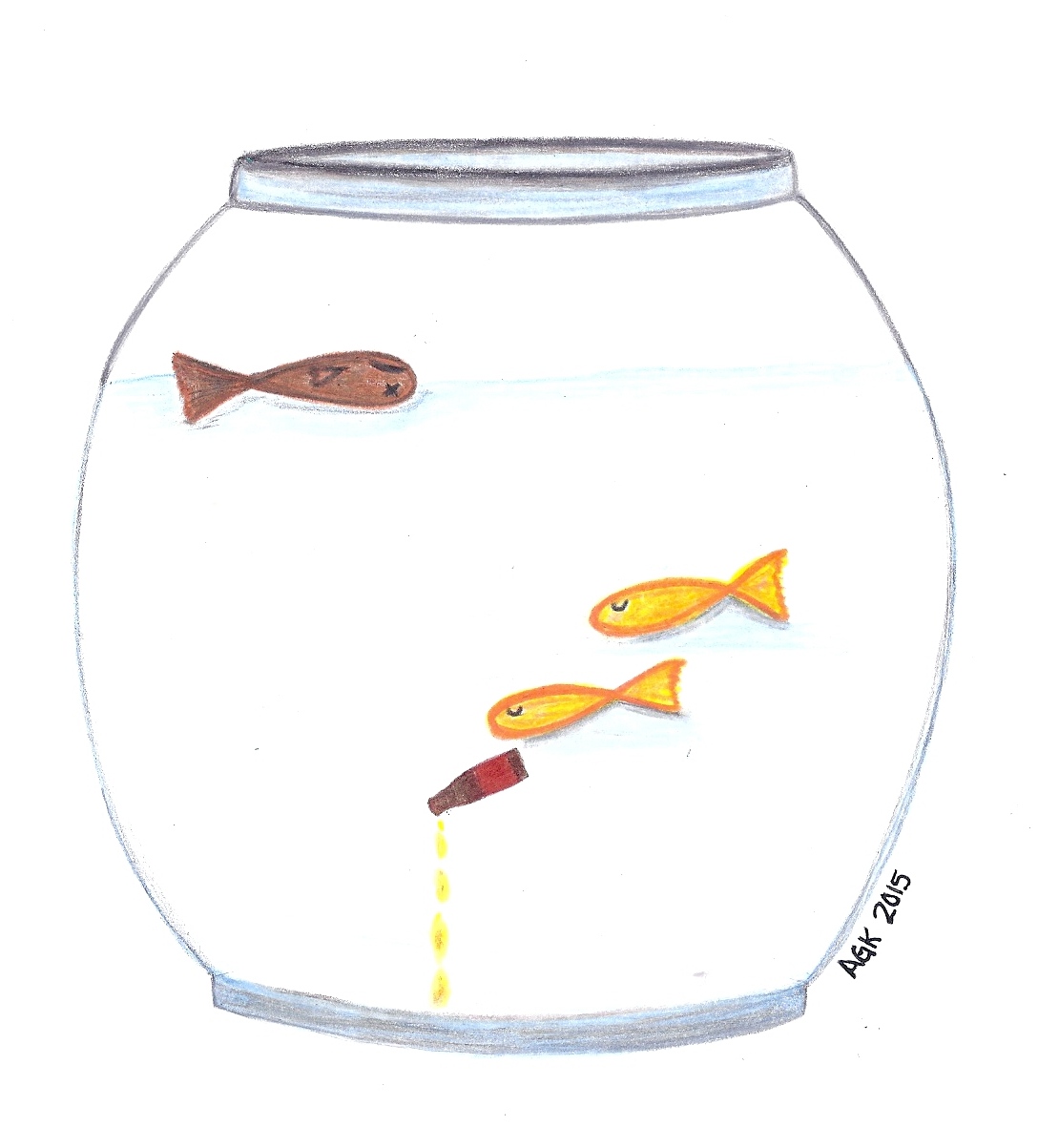
I learned how to show up. This was entirely due to the people in the rooms of Alcoholics Anonymous who experienced death and shared how they got through it without drinking. Lilo was the last personal death I dealt with. He was my sobriety pet. No one told me that it wasn’t wise to keep him in the bathroom (he matched my bathroom décor! ) or that you couldn’t “pet” a fish. He died shortly after that “pet.” I angrily threw him and the tank in the trash vowing that fish were food, not pets.

My grandmother had been dying for a while. Like over a year. We would gather for the last meal, fly people in from out of town, fill up hospitals rooms…and she continued to live. The doctors would say it’s time to say your good-byes…and she continued to live. By September of 2014, it was almost comical in a way. Truth be told, I wanted her to die already so I could get to the grief part. The good news was I had cried, accepted, and made peace with her passing on. Or so I thought.

On 11/4/2014, my grandmother woke up from a restless, hospice, semi-conscious state, as I stood over her bed. She recognized me and said “Nini, you came. You never have time to see me, you are always busy working.” and then closed her eyes. On 11/5/2014 she slipped into unconsciousness. I was standing over her gasping body when I felt my soul break and rage rise. I screamed, “You have to wake up and say something else, you cannot leave me with those last words!” After my screams stopped, after I cried all I could; I whispered I was sorry and ran out of the house.

On 11/6/2014, I received the call at 2:30am that she was dead. I didn’t think about drinking, I made a cup of coffee and went to show up with the rest of my family.

My family has its share of alcoholics and addicts which means that on the day of her death, they are drinking and smoking weed at 10am. As I hear that distinct pop of a beer can, I move away trying not to get a contact high. I get pissed. Who gets high and drunk at 10am? Alcoholics and addicts do. Had I not been sober, I would be drinking with them, pouring out a little for the spiritual head of our family we had just lost.

But I am sober. I know as much as I want to be around my family right now I must remove myself and go take care of my sobriety. I am responsible for my recovery no matter what. I go to a meeting and share. Afterwards I pick up 2 new sponsees who say they want what I have. I asked why, they said because I am sober and at a meeting despite the emotional pain I am in. They save my life in a way that working with another alcoholic does. This holds the same truth today as it did when I first begin the practice of Step 12. It is impossible to be working with another alcoholic and thinking about yourself in the same moment. For anyone in pain right now, go out and work with another alcoholic for an hour. The miracle of feeling better through this work will come true.

Beginner’s Guide to AA

Big Book Thumping

When I got sober, I was a mess. I had no idea if I was coming or going or what was happening in between. I had no idea about the Big Book, meeting, or steps. I didn’t understand the role of the “chair” versus the “lead.” I didn’t understand what crosstalk was or why some people could talk about drugs but others couldn’t.

Early sobriety is hard enough without the additional confusion of whether one is following the rules or lingo of AA. I know what it feels like to be vulnerable only to have some “Old Timer” reprimand me for doing it wrong. Because of this, I tend to ask the new woman if she has any questions about the details of AA that I might be able to answer. I am not talking about the big questions: how do I make contact with my higher power or what is the meaning of life. Jeeze, no. There are other people more qualified for that sort of thing. I just wanna make sure they know the difference between a closed and an open meeting.

Big Book and Twelve and Twelve: The Big Book, whose proper name is actually Alcoholics Anonymous, is the basic text of AA. It was published in 1939 when AA was approximately four years old. The book is general divided into two sections: the first 164 pages and the stories. The first 164 pages contain the specifics of AA. In a relatively short amount of pages, Bill W. addresses the disease concept of addiction, spirituality, and identification. The Big Book explains the Twelve Steps as well as instructions on how to “work” them.

The Twelve Steps and Twelve Traditions is an addendum that Bill W. and AA published in 1953 after the Traditions of AA were approved at the first AA World Convention. The Twelve and Twelve feels different that the Big Book. When it comes to the steps, the Twelve and Twelve is less instructional than the Big Book. Instead, it focuses on the spiritual principles that make up each one of the steps. The second half of the Twelve and Twelve addresses each one of the Twelve Traditions that guide AA as an organization.

Sponsors: One of the main focuses of AA is sponsorship. Most of us have a sponsor or a spiritual advisor. While some AAs say that the only role of a sponsor is to walk one through the steps, there are as many different ways of sponsorship as there are sponsors. Some are strict; some are aloof. Some will only work through steps; some will be friends. I think everyone would agree though, look for someone who has what you want, and then do what he or she does.

Meetings: There are open meetings and closed meetings, discussion meetings and speaker meetings, and book studies. Open meetings are open to anyone interested in learning more about AA. There may be nurses and doctors or family members present. Closed meetings are for alcoholics only. The purpose is to ensure anonymity. We ask that the public respect the open/closed format. Thank you.

Discussion meetings generally have a “chair” and a “lead.” The chair runs the meeting (announcements, preamble, etc) while the lead chooses the topic for discussion. Different meetings have different vibes so you will want to choose one that feels right for you. Some leads open the meeting to volunteers to share on the topic; others like to call on people. When we speak, we usually start by saying, “My name is Ann, and I am an alcoholic.” If you are not ready to self-identify as an alcoholic, you do not have to. Just state your name. If you do not want to share, just simply say you’d like to listen. The leader will call on someone else. And don’t worry of you stray off topic when you share. We all do.

Speaker Meetings generally have one speaker who speaks for the length of the meeting on how they came to get sober.

Book studies start at the beginning of the Big Book or the Twelve and Twelve and work their way through. One person will usually read a paragraph or two and then comment on that section. Step studies do the same thing. They start on step one and work their way through. These meetings can really support one’s sobriety. It is interesting to hear how others read the books/ work the steps. If you are uncomfortable joining in the middle, just ask the chair. They usually have a feel for how long it takes a certain group to get back around to the beginning.

Crosstalk: When people share in a meeting, their share ends when they finish talking. What they spoke of is not be acknowledge, praised, or countered. Advice should never be given across shares. AAs should not speak across the room at each other.

Talking about Drugs: AA has a singleness of purpose. Therefore, AA meetings focus solely around alcohol and alcohol related problems. This keeps meetings from meandering towards smoking, gambling, or food, but this also means some meetings would rather people not talk about drugs. If you are want to speak about drug addiction, you may wish to find a more liberal meeting. Also, CA (Cocaine Anonymous) is very clear that they are not drug specific. Anyone is welcome, alcoholic and drug addict alike.

Birthdays: At the end of meetings, AA celebrates “milestones” in recovery. 30 days, 60 days, 90 days, etc. Then the chair will ask if anyone has a birthday. This is not one’s birthday, birthday. It is his/her sobriety birthday; people who have been sober for a year or longer.

AA is an amazingly complex culture, with its very own set of rules and vocabulary. I’ve shared this story before, but I will do it again. When I was newly sober, I remember a meeting where a young woman shared about, “Growing up in public.” I did not know what she was talking about, but I figured she was a child star. I spent the remainder of the meeting trying to figure out what TV show she was on. Then, just last week, I egregiously crosstalked (more like cross yelled) at a friend of mine. When he said, “I don’t have to be right…,” as part of his share, I blurted out, “Yes, you do!” before I could stop myself. Luckily he was a good sport. My point is we all make asses of ourselves sometimes. It’s a learning curve. If you don’t know, ask. One of us will be more than happy to fill you in. See you at a meeting soon!
If you have a funny story you’d like to share regarding an AA misunderstanding, please share below. We could all use a laugh on a Monday morning.

Among Them You Will Make Lifelong Friends.

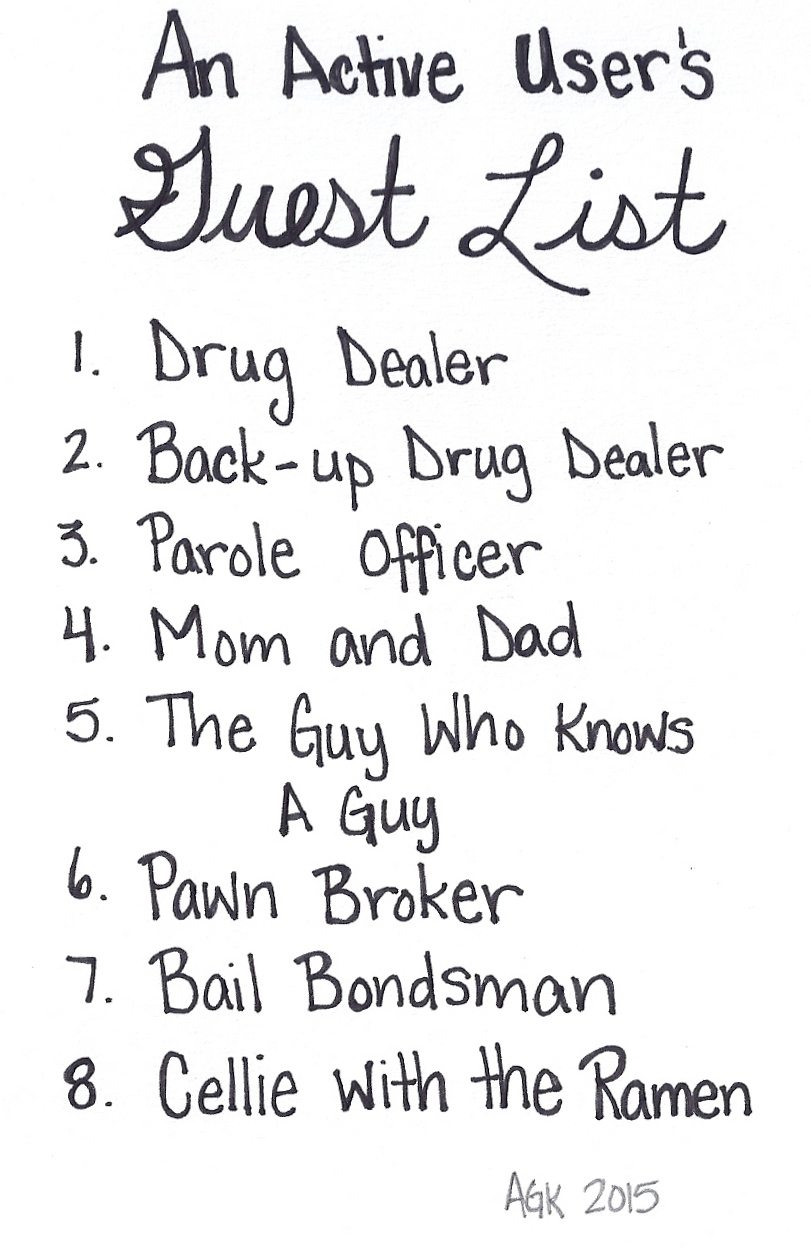
Active Addiction Guest ListAs the eight of you who read my blog regularly know, a couple of weeks ago, I got engaged to my lovely lovely. But that is not what this blog is about. This blog is about the guest list.

Eight years ago, I lived in a run-down apartment off 59 and Newcastle in Houston, Texas. My roommate, a girl I knew from work, came home one day and informed me that she was moving out. It seemed she suddenly and unexpectedly eloped with the chef at our restaurant because her student visa was running out and she was going to have to return to Russia. (No, I’m serious. I’m not making this stuff up.) She suggested either we break the lease or I find a roommate. The simple thought of living with someone new terrified me in my final days. Looking back, it is almost humorously tragic to contemplate. There was zero chance of me opening up my existence to the scrutiny and judgment of a stranger.

So, I sat on the floor of my apartment and continued to drink and chain smoke in total isolation.

Not long after, I woke up one morning in withdraws. I was dizzy and shaking. It felt like a worse version of the flu. I knew if I drank something, I would feel better, but I could not think of one person in the world who would bring me something to drink. But more than that, there is not one person in the world who would bring me anything: not a cup of soup, a blanket, or a kind word.

I often write of loneliness because it is the emotion I most remember from of those days. I was so incredibly lost and ashamed and alone. I think, honestly, I give my immediate family a bad rap in this memory. Had I called them, had I reached out and asked for help, I am sure I would have been in rehab by dinnertime. They love me and are good people, but I was so disconnected from them. My pride, even in those down times, was so entrenched it would have been impossible for me to reach out to them for help.

But that was eight years ago. This year, I will be making the promise of friendship and fidelity to another person. With that comes a wedding and a party. A few days ago, I began the amazing task of writing down a list of all the people we would like surrounding us on our special day. First I listed my family, the people who are here now that I could not let be there then. Then I listed sponsors, then sponsees, friends from our home group, ladies from my yearly retreat, buddies from his half-way house. As one piece of paper filled, I flipped the page and continued to write. I could not help but smile as our small intimate wedding soon turned into a celebration of AA proportions.

“You are going to meet these new friends in your own community… High and low, rich and poor, these are the future fellows of Alcoholics Anonymous. Among them you will make lifelong friends. You will be bound to them with new and wonderful ties, for you will escape disaster together and you will commence shoulder to shoulder your common journey,” (Big Book 152-153).

True, it is our past that originally united us. AA supplied me with a place to meet people, people who like me experience fear and neurosis, people who suffer from guilt and shame and heartache. But it is our future which will keep uniting us.

And through the process, AA has begun the process of trying to teach me how to be a friend. I’m still not very good at it. I’m still really quite self-centered. But I’m better. At least I can see my faults, apologize, and try again. Once of my favorite lines in the Twelve and Twelve is “We have not once sought to be one in a family, a friend among friends…” (53). Today, I seek to be better.

Of all the blessing I have received from AA and recovery, my friends (and my honey, of course) maybe the greatest blessing of all. I like to say I belong to the “No Matter What Club,” but if I were as lonely today as I was on February 27, 2007, I’m not sure that I would still be sober. My AA friends save my sanity on a daily basis, but more than that, they have saved my life. Now… For the rest of the journey…

The Most Satisfactory Years of [Our] Existence Lie Ahead.

Self PortraitA couple of years ago, through a series of unusual events, I found myself swimming along with my aunt in the sea off the coast of Cancun. My aunt, the wife of a Lutheran minister, is an incredible woman of natural spirituality and grace. So, we were bobbing along in the ocean, talking about life when she said, “It must be interesting to have a relationship where from the beginning, you each knew the worst thing about the other person. So many times, people in relationships try to cover up and hide the worst parts of themselves, hoping the other person will not see it.”

I’ve thought about that sentiment many times over the last couple of years. It is true. When I had two years sober, I got my very first apartment all by myself. Up until then, I had lived in sober living. I was struggling. I had those thoughts of “If I drank, no one would know.” And it scared me. One night I found myself at a ten o’clock meeting. In short time, I found myself comfortably sharing in the quiet dim of the candle light. Free from imagined judgment, I was able to share my deepest insecurities and fears.

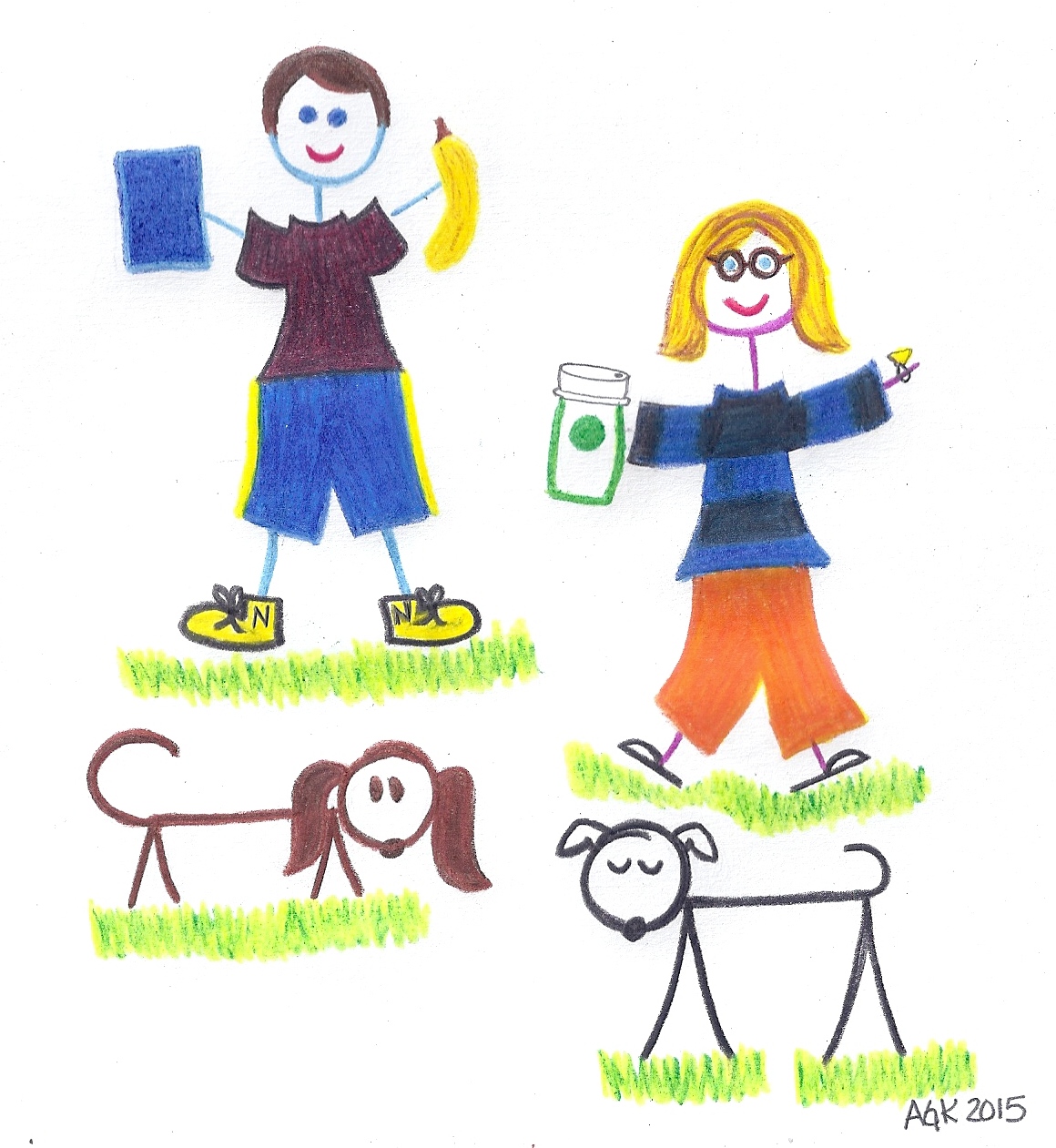
It was in this setting that my love and I spent many months sitting across the room from each other, before we ever went for our first cup of coffee. In fact, if you asked him, he would readily admit that he originally felt sorry for the poor, lost girl who didn’t believe in God. What I remember about those times was his honesty in admitting his social anxiety and how we both bonded over our shared hatred of driving. (I do most of the driving now. I figured living in Houston, one had to work through this fear. He’s fine with letting me process my recovery as he sits in the passenger seat.)

I’ve had a lot of conversations with lot of different women over the years regarding whether or not one should date within the program. I know many people who are attracted to the idea of dating a “normie.” I get that. I get the idea of swaying away from the fear of potential relapse and the emotional baggage that follows in the wake of any given alcoholic. “But it is from our twisted relations with family, friends, and society at large that many of us have suffered the most. We have been especially stupid and stubborn about them. The primary fact that we fail to recognize is our total inability to form a true partnership with another human being,” (Twelve and Twelve page 53) Trying to align oneself with a narcissistically immature misanthrope can be a bad idea.

Yes, there is something to my aunt’s words; we do know the worst about each other. But we also know the best. I know my sweetie wakes up each morning and prays. I know at some point in the day, he will read and meditate and go to a meeting. I know he will talk to another alcoholic and ask that man for a slice of wisdom. I know he will help someone.

And I know with my sweetheart, I never have to apologize for working my own program. I never have to procure a reason for going to a meeting. A sentence like, “I’m going to call my sponsor,” doesn’t send him into a spiral of insecurity. Saying, “I’m crazy and I don’t know why” or bursting into tears for no reason doesn’t require really any more explanation than that. Cause he knows why. I’m an alcoholic and some days are just like that.

Our love is predicated not on fear of relapse but on the combined spirituality and growth that active recovery ensures. I can tell you in all honesty, we are better people today than we were five years ago when we met. Over time, some of the anger, jealousy, and fears have subsided. We have worked through abandonment issues, monetary insecurity. When we argue, phone calls are made and inventories are taken (our own, not each other’s). We look at our character defects, apologize, and make honest attempts to do better next time. But y’know, it is not even how far we have come that calms me; it is the thought of how much more we have to grow. I look forward to seeing what will become of us, for I am sure, “The most satisfactory years of [our] existence lie ahead” (BB 152).

On January 8th, Bob got down on one knee and asked me to marry him. I said, “Yes.”